

Yes — with the right layers underneath you and a couple of optional add-ons, a rooftop tent in fall is one of the most comfortable ways to camp in Alberta.
Every September, the same question shows up in our inbox: "Is it too cold to sleep in a rooftop tent once summer's over?"
It's a fair question, and the honest answer is: it depends entirely on what's underneath and around you when the temperature drops overnight — not on the tent itself. A rooftop tent off the ground, with the right sleep system, sleeps warmer than most people expect. Get the layers wrong, and any tent, rooftop or ground, will feel cold.
Here's what actually matters, and how to set yourself up so fall becomes your favourite season to camp instead of the one you skip.
Why Fall Is Actually a Great Time to Camp in Alberta
Before we get to the gear, it's worth saying why fall is worth the extra planning in the first place.
- Larch season turns entire mountainsides gold for about two weeks in late September, and trails like Larch Valley and Chester Lake are dramatically less crowded on a weekday than in summer.
- Campgrounds that are fully booked in July often have same-week availability in September and October.
- No mosquitoes, no wildfire smoke haze (usually), and cool, clear air that makes for some of the best stargazing of the year.
- Provincial park fees and some campground rates drop once the peak season ends.
The tradeoff is obvious: it's colder at night. Here's how we handle that.

The Tent Isn't the Problem. The Mattress Is.
Cold at night usually isn't about the air around you — it's about the cold coming up from underneath. Both the Thule Tepui Explorer Ayer 2 (on the Volvo XC60) and the Kukenam 3 (on the Toyota RAV4) come with a built-in foam mattress, and being elevated off the ground already helps: you're above the cold air that settles into low ground overnight, and there's no cold, damp earth conducting heat away from you the way a ground tent floor does.
That said, foam alone isn't insulation once temperatures drop into single digits overnight, which is normal for the Rockies in September and October. That's where the layers underneath and around you start to matter more than anything else.

The Three Things That Actually Keep You Warm
Skip any one of these and you'll feel it. Get all three right and a fall night in a rooftop tent is genuinely cozy.
1. A thermal liner between you and the tent wall
The single biggest upgrade for shoulder-season comfort is the Thule Insulator 3 Thermal Liner, an extra insulated layer that fits inside the rooftop tent. It cuts down on the heat that escapes through the tent fabric and noticeably reduces overnight condensation, which is the other thing that makes cool-weather camping feel colder than it needs to.
2. A sleeping bag rated for the actual temperature
A summer-weight sleeping bag is the most common reason people feel cold in the fall. We stock 6°C-rated insulated sleeping bags as an optional add-on, which comfortably covers the overnight lows you'll see through most of September and into October in the Rockies. Layer in warm base layers and a beanie, and you're set.
3. Proper bedding underneath you
This is the one people forget. Heat loss happens from below just as much as it does from the air around you, and a bare foam mattress with a single sheet won't cut it once nights get cold. Adding a duvet and proper bedding on top of the mattress makes a bigger difference to how warm you sleep than almost anything else on this list.
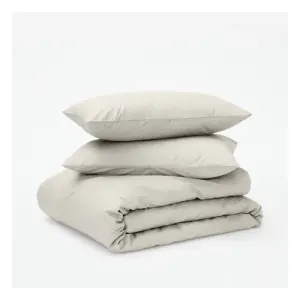
Optional add-on
Linens — pillows, duvet, fitted sheet & sheets
Bedding for two people, ready to go when you pick up the vehicle: pillows, a duvet, a fitted sheet, and sheets. Paired with the thermal liner, this is the easiest way to turn a chilly fall night into a warm one — no need to pack or launder your own bedding for the trip.
From $15.00/day (RAV4) · $25.00/day (Volvo XC60)
Don't Forget Firewood
The other easy win for a warm fall trip has nothing to do with the tent: a campfire. Evenings cool down fast once the sun drops behind the mountains, and there's no better way to spend those hours than sitting around a fire before climbing up to a warm tent.
Bring your own, or add a premium 10kg firewood bundle to your booking — about 3 hours of campfire warmth, ready at pickup so you're not searching for a gas station bundle after the shop closes for the season. Just double check your destination campground's current fire ban status before you go, since fall fire restrictions can vary by region.

What a Typical Fall Night Actually Feels Like
To put real numbers on this: overnight lows in the Alberta Rockies through September typically run from about 0°C to 8°C, dropping closer to -5°C to 2°C by mid-to-late October at higher elevations. Daytime highs, by contrast, are often still pleasant — 10°C to 18°C is common through most of September.
With the thermal liner, a 6°C-rated sleeping bag, and proper bedding, that overnight range is comfortable. Without them, that same night in the exact same tent will feel a lot colder than it needs to.

A Simple Fall Packing List
On top of what's already included with every rental, here's what we'd pack for a fall trip:
- Thermal liner (add-on) — the single biggest comfort upgrade for cool nights
- 6°C-rated sleeping bags (add-on) — matched to real fall overnight temperatures
- Linens: duvet, pillows & sheets (add-on) — insulation from underneath, and one less thing to pack
- Firewood (add-on) — for warm evenings around the fire before bed
- Warm base layers and a toque for sleeping
- Wool socks — cold feet are the fastest way to feel cold everywhere else
- A headlamp, since it gets dark noticeably earlier by October
- Layers for daytime — fall mornings are cold, but afternoons often warm up quickly

Get a Fall Camping Quote
Pick your dates below and add the thermal liner, sleeping bags, linens, and firewood right in the quote tool — we've pre-selected the linens and firewood to get you started.
So, Is It Warm Enough?
Yes. A rooftop tent off the ground, a thermal liner, a properly rated sleeping bag, and real bedding underneath you handle Alberta's fall nights without a problem. Add a campfire in the evening and a thermos of something hot, and cool nights stop being a downside — they become one of the best reasons to go camping in the fall at all.
Golden larches, quiet trails, and crisp mountain air are only a weekend away.
 Madusha Kumarasiri
 Madusha Kumarasiri